
A great landscape does not happen by accident. It is the result of a few clear decisions – where people walk, what frames the view, and which plants earn their place. Whether your yard is a blank slate or a tired bed that needs new life, the ideas below show how different styles solve the same problems: structure, color, water use, and year-round interest.
Start With A Simple Plan
Before buying a single plant, sketch your yard and mark the sunny and shady spots, the views you want to keep, and the ones you want to hide. Most successful gardens use the 60-30-10 rule: about sixty percent of the space in a dominant planting or lawn, thirty percent in a secondary material such as gravel or decking, and ten percent in accent color. That balance keeps a design calm while still leaving room for personality.
Drought-Tolerant Walkways

A gravel or stepping-stone path edged with water-wise plants does double duty: it guides the eye and cuts irrigation needs. Pair drought-tolerant walkways with lavender, ornamental grasses, sedum, or native groundcovers that shrug off dry spells. Porous surfaces like gravel and permeable pavers also let rainwater soak into the soil instead of running off, which keeps nearby beds hydrated for free.
Layered Garden Borders
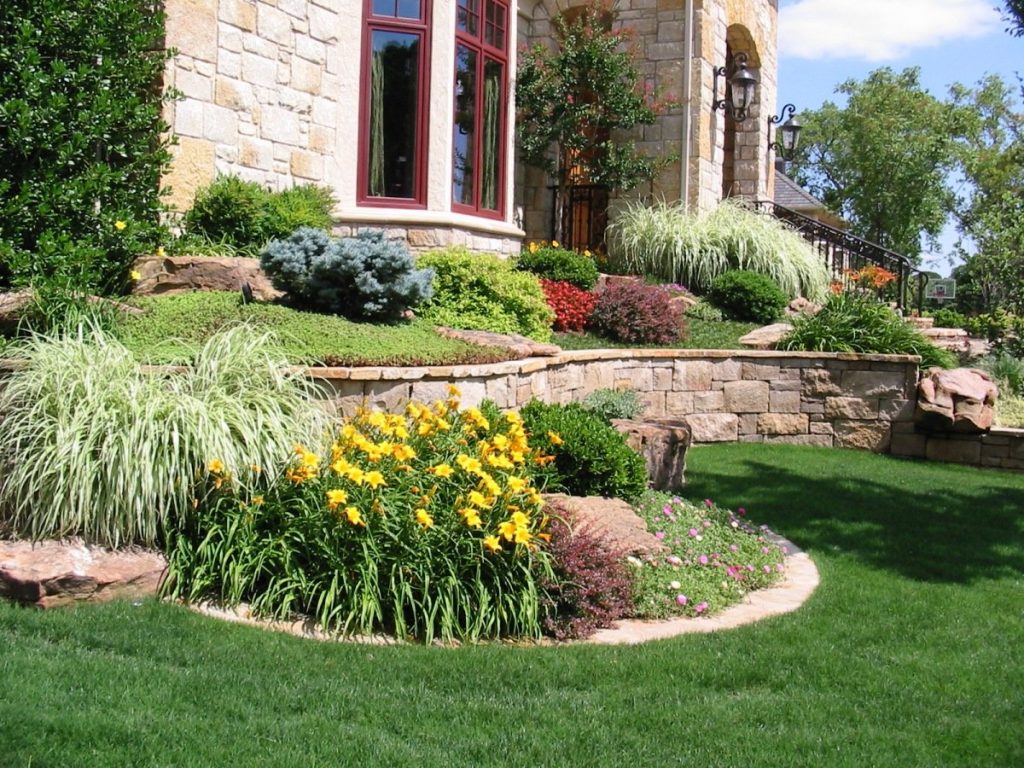
The fullest-looking borders are planted in layers: tall trees or large shrubs at the back, mid-height perennials in the middle, and low spillers at the front. Repeating a few key plants through the border – rather than planting one of everything – creates rhythm and makes the bed look intentional. Aim for something in bloom in every season so the border never has a dead month.
Asian-Style Garden Design
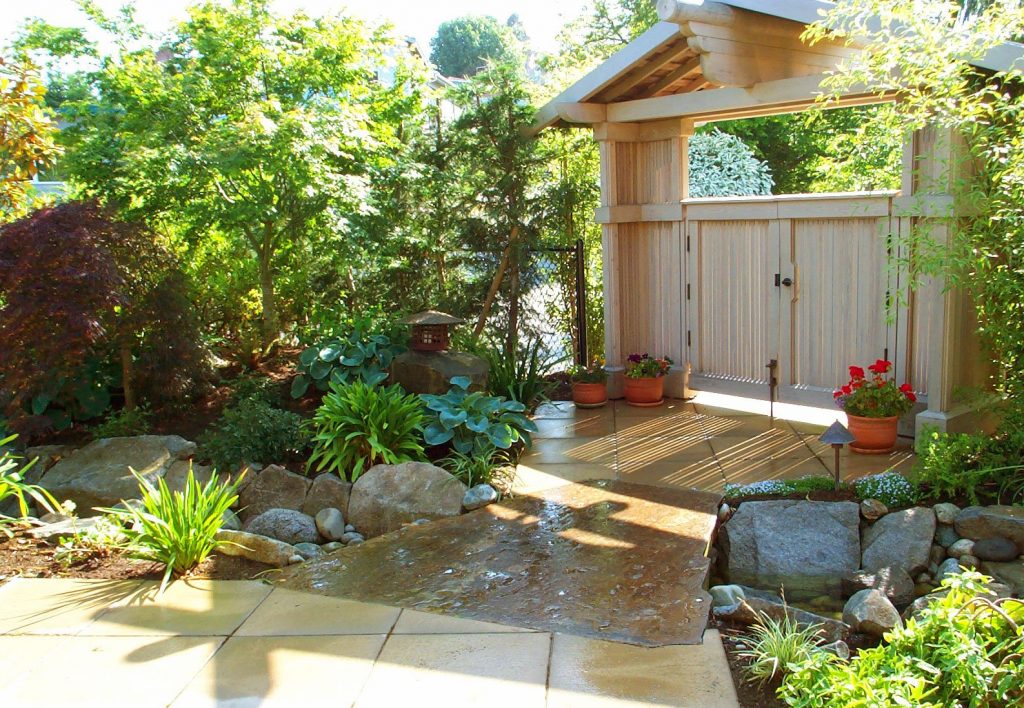
Asian-inspired landscapes trade flower power for atmosphere. Raked gravel, stone, water, and carefully pruned shrubs create a sense of calm that works especially well in small or shaded yards. You do not need a full Japanese garden: a single stone lantern, a clump of mondo grass, and a Japanese maple are enough to give a corner of the yard that quiet, composed feel.
Classic Layouts For The Front Yard
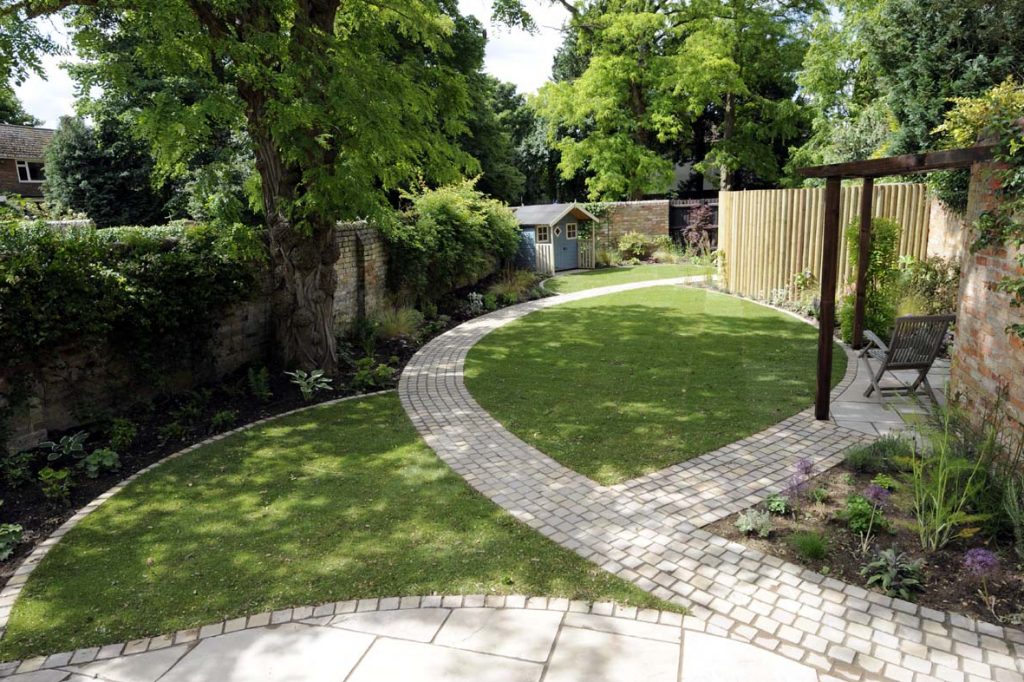
The area in front of the house sets the tone for everything behind it. Curved lawn edges, low hedging, and a clear path to the door make a home look established and well cared for. Symmetry helps here – matching planters or mirrored beds on either side of the walkway are an easy upgrade that reads as professional design, even on a modest budget.
Color-Forward Curb Appeal
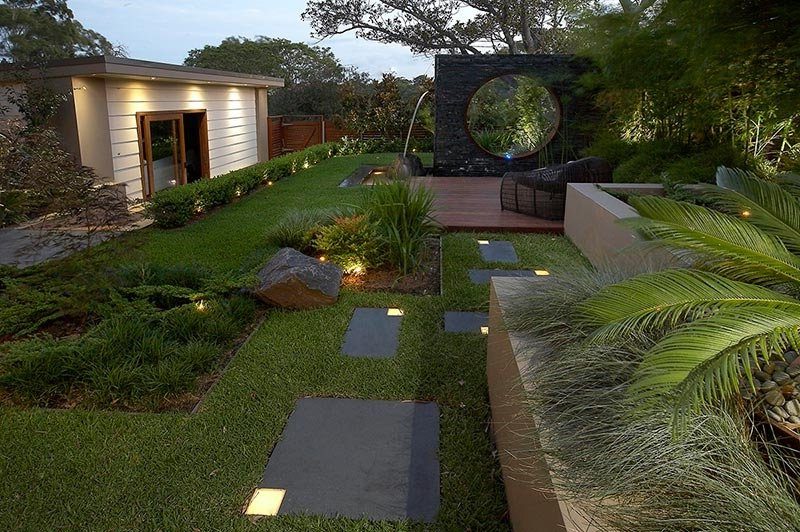
If your style runs brighter, build the garden around color masses instead of single specimens. Group three to five of the same flowering plant together so the color reads from the street, and repeat that color once more elsewhere in the bed. Hot colors like red, orange, and yellow pull attention forward; blues and purples recede, making a small yard feel deeper.
A Lawn That Frames The Garden
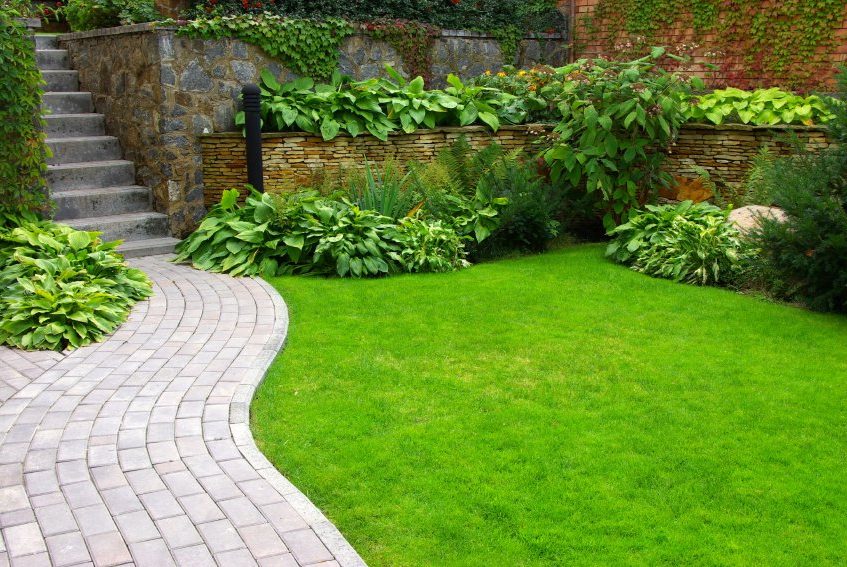
Even a small strip of healthy lawn gives the eye a place to rest and makes surrounding beds look more vivid by contrast. Keep the edges crisp with a spade or edging tool – a clean line between grass and bed is the single cheapest way to make a whole landscape look maintained. In dry climates, consider shrinking the lawn to a purposeful shape rather than eliminating it entirely.
Bringing It All Together
Pick one or two of these ideas that fit your yard conditions, do them well, and let the rest of the design grow from there. Landscape projects succeed in stages: structure first – paths, edges, and any trees – then the layered planting, then the color and accents. Work in that order and every dollar you spend builds on the last one.